Guide
Flood Light Lens Angle Guide
Both flood families offer the same four lens angles — 15°, 25°, 45°, 60° — and projection distances from 10M to 40M. Lens choice, not wattage, is what shapes a flood light result.
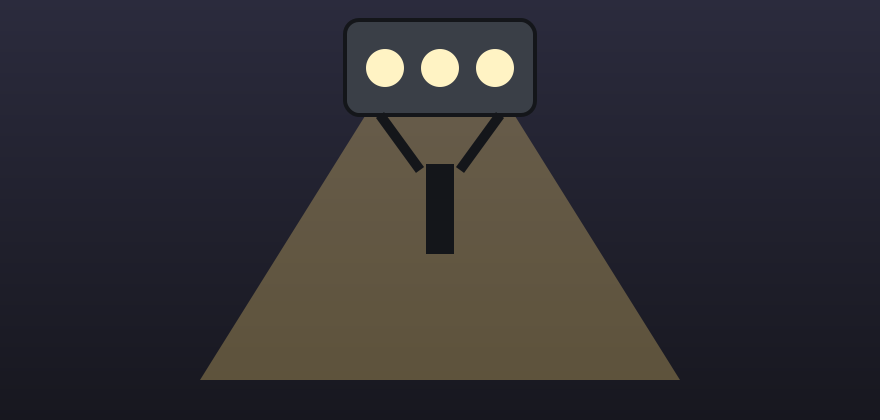
The lens set
| Lens angles | 15° / 25° / 45° / 60° (bar flood light family and LX-TG-010) |
|---|---|
| Projection distance | 40M / 30M / 20M / 10M |
| Bodies | Bar format in three lengths to L1260; round ¢140mm LX-TG-010 |
Matching lens to target
A 15° lens is a spot in flood clothing: it holds a tight pool of light at the far end of the distances, for a sign, a flag, a single tree or the top of a column. The 25° lens is the general architectural throw — a facade bay, a monument, a court corner. At 45° the light becomes area light: a forecourt, a loading apron, a landscape field, where evenness matters more than peak intensity. The 60° lens is for close, wide coverage from a low mounting height, where a narrower lens would leave a bright coin of light in a dark field. As a rule of thumb, the narrower the lens, the further down the 10M-40M distance ladder the same fitting stays useful.
Bar or round?
The bar family spreads its output along a line, which suits long targets — a sign band, a wall base, a row of columns — in the three lengths. The LX-TG-010 concentrates its smaller output in a round field from a bracket that can disappear into planting or a parapet. The family data is on the bar flood light page, and the parent category is LED flood lights.
Confirm before ordering
State the target size and the mounting distance in your inquiry, and confirm the lens angle and wattage for your configuration before ordering.
Worked example: a courtyard with three targets
One courtyard, three lighting jobs. The flagpole at the far end, thirty-odd metres from the only mounting position: the narrow 15° lens, at the far end of the distance ladder, and the higher power step to feed it. The cafe terrace in the middle ground: a 45° lens for an even, sociable field where faces matter more than drama. The building's name letters above the door, close above the mounting line: the 60° lens, wide and near. Three lens angles from one family, one stocked spare type, and a courtyard that reads as three deliberate decisions instead of one hopeful flood.
Lens mistakes
- Buying the narrowest lens for everything because its distance figure is longest — and lighting three bright coins in a dark field.
- Judging a lens by a poolside demo at arm's length; lenses only tell the truth at working distance, at night.
- Ignoring the overlap between adjacent fittings at mid angles, where double-lit seams show.
- Choosing wattage to fix a lens problem; output cannot widen a beam.
Aiming and spill discipline
A lens choice is only as good as the aiming that delivers it. Flood light aimed by daylight guesswork wastes its lens: the field edges that decide between the 25° and the 45° exist only at night, at working distance. Aim at dusk, with the target's occupants in mind — a lens that is perfect for the facade and miserable for the residents opposite is the wrong lens at any angle. Note the final tilt and lens per position in the site record, so a replacement fitting restores the design rather than restarting the argument.